

Arizona's Rodent Control Experts
Rodent Control in the Phoenix Area
Mice, rats, and roof rats are more than a nuisance — they chew wiring, contaminate food, and spread disease. Elite Pest uses inspections, trapping, bait stations and follow-up visits to control mice, rats and roof rats, with products applied by licensed technicians according to the label.
Rodents We Treat
House Mice
The most common indoor rodent in Arizona. Mice squeeze through gaps as small as a dime and nest inside walls, attics, and cabinets.
Norway Rats
Larger burrowing rats that favor ground-level entry points, crawl spaces, and utility lines. Common in older structures and commercial properties.
Roof Rats
Agile climbers that enter through rooflines, vents, and tree branches. Prevalent across the Phoenix metro and especially destructive to attic insulation.
Signs You Have a Rodent Problem
- Droppings along walls, in cabinets, or near food storage
- Gnaw marks on wiring, wood, or food packaging
- Scratching or scurrying sounds in walls or ceilings at night
- Nesting material such as shredded paper or insulation
- Grease rub marks along baseboards or entry points
- Unusual pet behavior — sniffing or pawing at walls
Our Rodent Control Process
Inspection
We conduct a thorough interior and exterior inspection to identify rodent species, activity levels, travel paths, and nesting areas.
Trap and Bait Station Placement
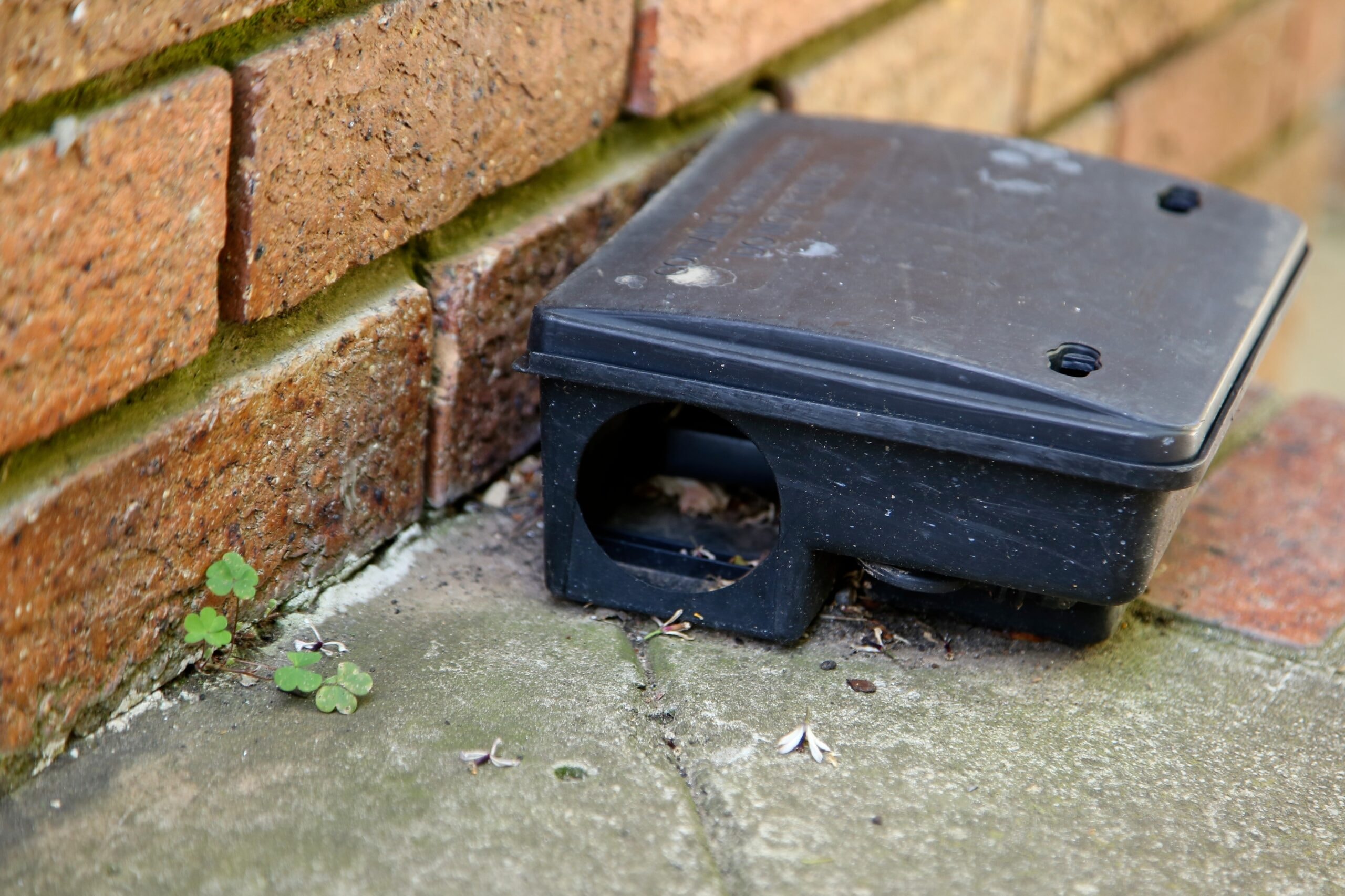
Traps and tamper-resistant bait stations are placed along rodent travel paths and high-activity areas.
Follow-Up Visits
We return to check traps and bait stations and adjust the plan based on the activity we find.
Activity Monitoring
Scheduled return visits to check stations, assess activity, replenish bait as needed, and track whether rodent activity is dropping.
Why Choose Elite Pest for Rodent Control?
Licensed & Certified
Fully licensed Arizona pest control operators with residential and commercial rodent experience.
Follow-Up Focus
We check every trap and bait station on follow-up visits and adjust the plan as activity changes.
Careful Product Use
Tamper-resistant stations and EPA-registered products applied by licensed technicians according to the label.
Commercial & Residential
From single-family homes to restaurants, warehouses, and multi-unit properties — we handle it all.
Transparent Pricing
Clear upfront pricing with no hidden fees. Ongoing rodent control plans are available.
Service Areas
Elite Pest provides rodent control throughout the Phoenix metro area including Gilbert, Mesa, Chandler, Tempe, Queen Creek, Apache Junction, San Tan Valley, Ahwatukee, Phoenix, Scottsdale, Paradise Valley, Glendale, Goodyear, Avondale, Casa Grande, and Maricopa.
Frequently Asked Questions
3 Rodents Invading Arizona Homes
Roof Rats, Norway Rats, and House Mice each enter your home differently, nest in different locations, and require different treatment strategies. Correct identification is step one.
Rattus rattus
Black Rat / Citrus Rat
Rattus norvegicus
Sewer Rat / Brown Rat
Mus musculus
Common House Mouse
7 Ways Rodents Enter Your Arizona Home
Knowing how rodents travel helps our technicians place traps and bait stations where they will do the most good.
Roof and soffit gaps
Roof rats enter through gaps where the roof meets the fascia, damaged soffits, and open vents. A 1/4-inch gap is enough.
Utility penetrations
Pipes, conduit, and cables entering the home through walls or the foundation create gaps that rodents exploit. Our technicians check these areas for droppings and rub marks.
Garage doors
Worn or damaged garage door seals leave gaps at the bottom corners. Rodents enter garages and then access the home through interior walls.
Foundation cracks
Norway rats burrow under slabs and enter through foundation cracks. Our technicians look for burrows and activity along the perimeter.
Roof vents and attic fans
Unscreened or damaged roof vents are a primary Roof Rat entry point. Our technicians check vent areas for signs of activity.
Tree and vine contact
Branches, vines, and utility lines that touch the roofline give Roof Rats a bridge to your home. Trim trees 3 feet away from the roof.
Plumbing and drain lines
Norway rats swim through sewer lines and enter homes through floor drains and toilet connections. Install drain covers and check for broken pipes.
How Our Rodent Control Works
Most DIY rodent control stalls because traps are not placed in the right spots or checked often enough.
Trapping
Active removalRemoves active rodents. Technicians place and check traps on a set schedule.
Bait Stations
Ongoing controlTamper-resistant bait stations applied by licensed technicians according to the label help reduce rodent activity around the property.
Trapping + Follow-Up
RecommendedCombines trapping, bait stations and scheduled follow-up visits so we can track activity and adjust the plan.
Looking for service anywhere in the Phoenix metro?
View all Rodent Removal near me coverage areas →Rodents Don't Wait — Neither Should You
Call us today or request a free inspection online. We serve the entire Phoenix metro area.
Get Your Free Inspection